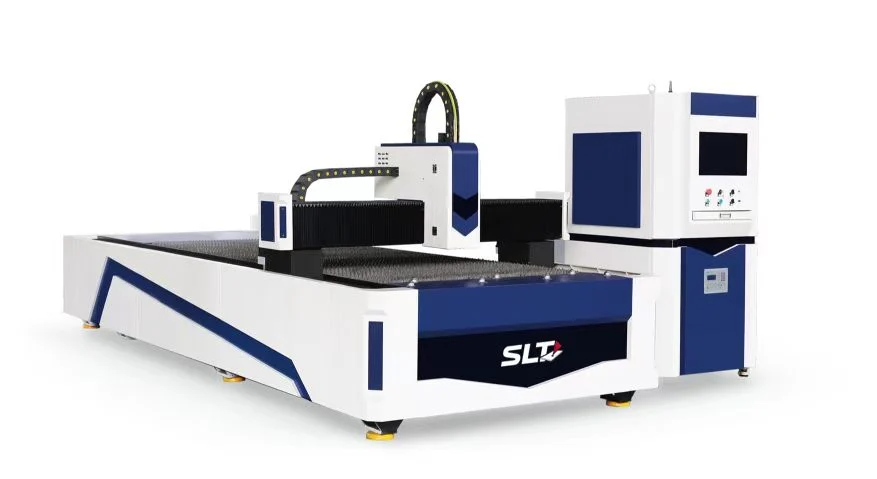
What does 3000W mean?
3000W, or 3 kW, describes laser output power, not the machine’s total electricity consumption. A focused beam heats the metal while assist gas ejects molten material from the kerf. Applications include carbon steel, stainless steel, aluminium and other metals approved for the machine configuration. A metal-cutting fiber laser is not a general-purpose choice for non-metal materials.
3000W thickness table: a starting point
The following figures come from SLT article material and have not been verified for the offered machine configuration. Material grade, gas pressure and purity, speed, nozzle, focus and quality criteria are unspecified. Use them to plan sample tests, not as guaranteed capacity.
| Material / gas | Source production range | Source difficult range | Source limit range |
|---|---|---|---|
| Carbon steel / air | 1–3 | 6–8 | 8–10 |
| Carbon steel / O₂ | 1–8 | 10–16 | 16–20 |
| Stainless steel / N₂ | 1–4 | 6–8 | 10–12 |
| Aluminium / gas unspecified | 1–4 | 5–6 | 8–10 |
| Galvanized sheet / gas unspecified | 0.5–4 | 5 | 6 |
| Copper / gas unspecified | 1–3 | 4 | 5–6 |
| Brass / gas unspecified | 1–2 | 3 | 4 |
The source bands do not cover every thickness between categories. Cutting through once does not demonstrate stable production. For copper and aluminium, confirm laser-source and cutting-head compatibility and back-reflection protection.
Why can production results differ?
Results depend on material grade and surface condition, laser-output stability, optics, focus, nozzle, gas pressure and piercing parameters. A maximum thickness is useful only with the associated speed, edge quality, dross, tolerance and test duration. Request tests using your material and part drawings, including repeated cutting over a representative production period.
Match assist gas to material and edge requirements
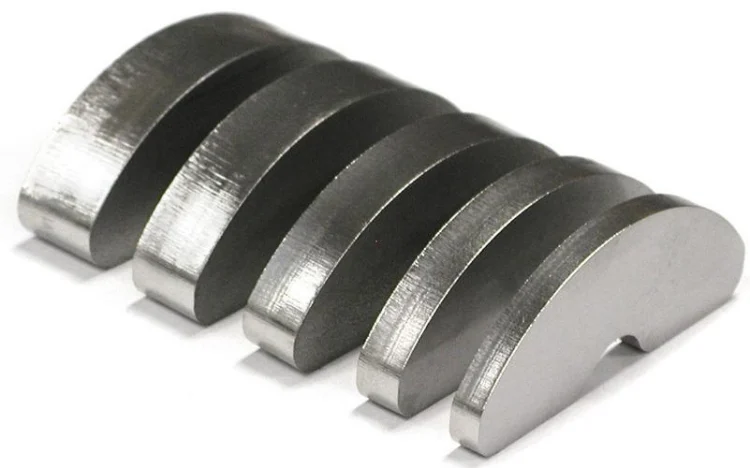
Compressed air may suit thin sheets where the edge quality is acceptable. Include compressor, drying, filtration and electricity costs. Oxygen adds heat through oxidation when cutting carbon steel, but leaves an oxide layer on the edge. Nitrogen ejects melt and shields the edge from oxidation, supporting certain stainless-steel or aluminium requirements. Nitrogen cutting remains a thermal process: laser energy melts the material. Compare gas cost and speed on the same job.
Laser source and cutting head
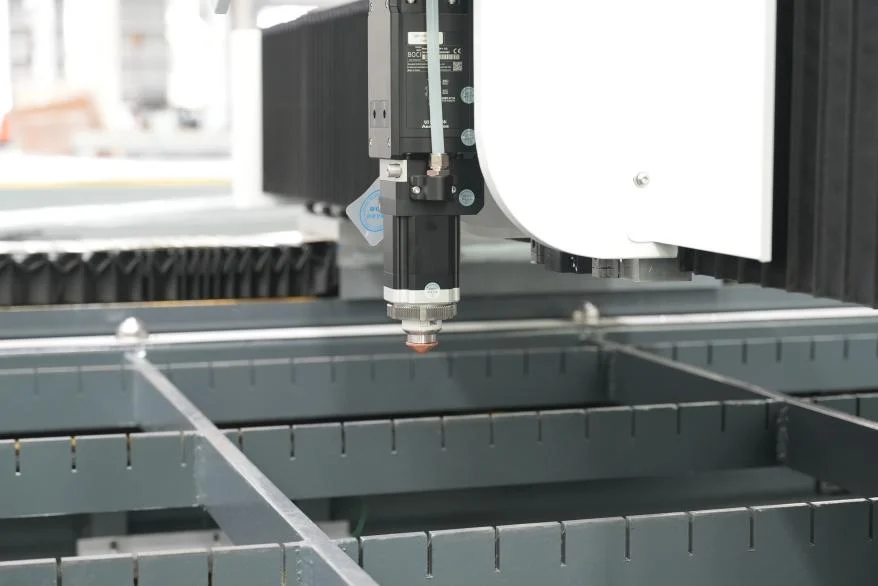
Compare the exact laser-source model, output stability, warranty and support for your material. The IPG, Raycus or MAX name alone does not establish cutting capacity. The head needs suitable optics, focus range, gas delivery and cooling. Autofocus can help with job changes where fitted; configuration, protective-lens condition and maintenance still affect results.
Jobs to evaluate for 3000W
Sheet-metal workshops and makers of electrical cabinets, kitchen equipment, signs, ducts and machine components often process thin-to-medium sheets. A 3000W machine can be considered for these jobs, subject to demonstrated quality and daily output. If routine work approaches the source limits or involves substantial thick-plate cutting, compare 3000W with higher power using the same samples, cycle-time measurement and cost per part.
Frequently asked questions
How thick can it cut carbon steel? The source lists 1–8 mm as an O₂ production range and 16–20 mm as a limit; neither is verified for a specific model. Can it cut stainless steel? The source gives 1–4 mm with N₂ as a production reference. Can it use air? Consider it for compatible materials and configurations after quality testing. Is 6000W always better? Not automatically; choose around routine work, demonstrated output and total cost.
Technical references
This guide covers general selection considerations, not specifications or operating instructions for a particular SLT model.