1. Start with materials and routine work
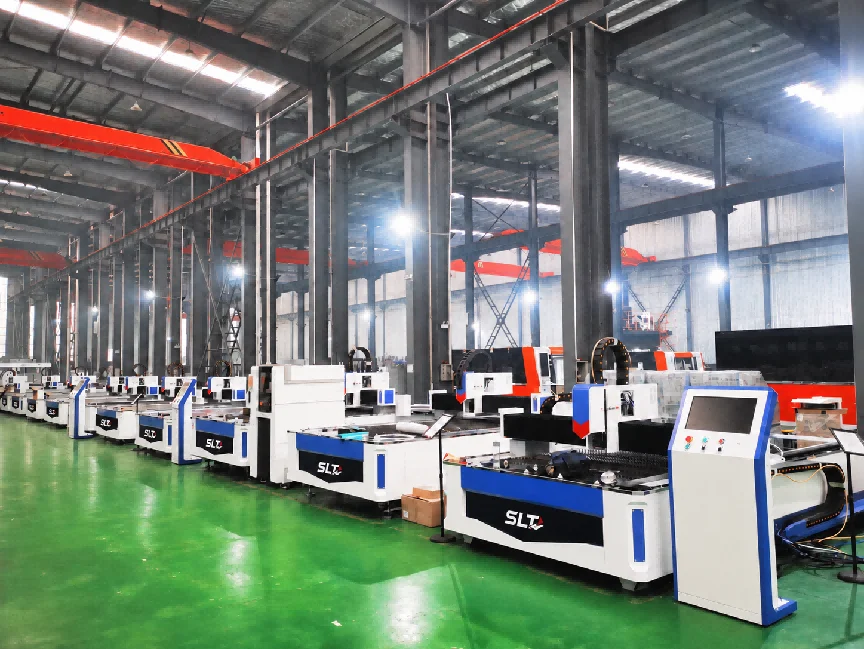
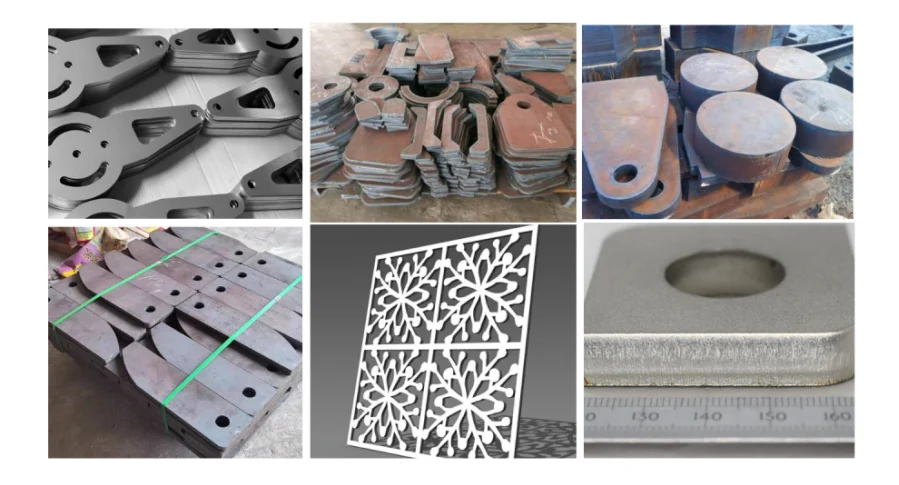
A fiber laser focuses heat on the material and uses assist gas to eject melt from the kerf. Applications include sheet-metal parts, electrical cabinets, kitchen equipment, automotive and machine components, metal furniture and signs. Prepare material grades, routine thicknesses, sheet sizes, drawings, tolerances and output targets. Separate occasional jobs from daily production. For tubes or reflective copper and aluminium, confirm machine and laser-source compatibility.
2. Compare power against production needs
Laser power affects processing capability, but wattage alone does not establish speed, quality or cost per part. Compare candidates using the same materials, drawings, gases and acceptance criteria. The source table below reports reference ceilings only; it does not establish stable production capacity.
| Laser power | Carbon steel / O₂ | Carbon steel / air | Stainless steel / N₂ |
|---|---|---|---|
| 1500W | ≤12 | ≤1.5 | ≤3 |
| 2000W | ≤16 | ≤2 | ≤4 |
| 3000W | ≤20 | ≤3 | ≤6 |
| 4000W | ≤22 | ≤4.5 | ≤8 |
| 6000W | ≤25 | ≤5.5 | ≤10 |
The following figures come from SLT article material and have not been verified for the offered machine configuration. Material grade, gas pressure and purity, speed, nozzle, focus and quality criteria are unspecified. Use them to plan sample tests, not as guaranteed capacity.
Read the 3000W figures carefully
The supplied articles do not use one consistent capacity definition. The 6 mm stainless figure in the power table differs from the 1–4 mm production reference and 10–12 mm limit in the 3000W guide; comparable test conditions are not given. For air, the power table says 3 mm although the source narrative says 4 mm. Do not treat these ceilings as daily production targets. Read the related 3000W thickness guide and request tests for the offered configuration.
3. Check the laser source and cutting head
Request the written laser-source brand and model, such as IPG, Raycus or MAX where offered. Compare model specifications, material compatibility, warranty and replacement cost. Do not infer service life or efficiency from the brand name. The head focuses the beam and delivers gas; check optics, focus, height control, protective lenses, nozzles and cooling. Autofocus and other features must be listed in the configuration.
4. Distinguish controllers, cutting software and nesting
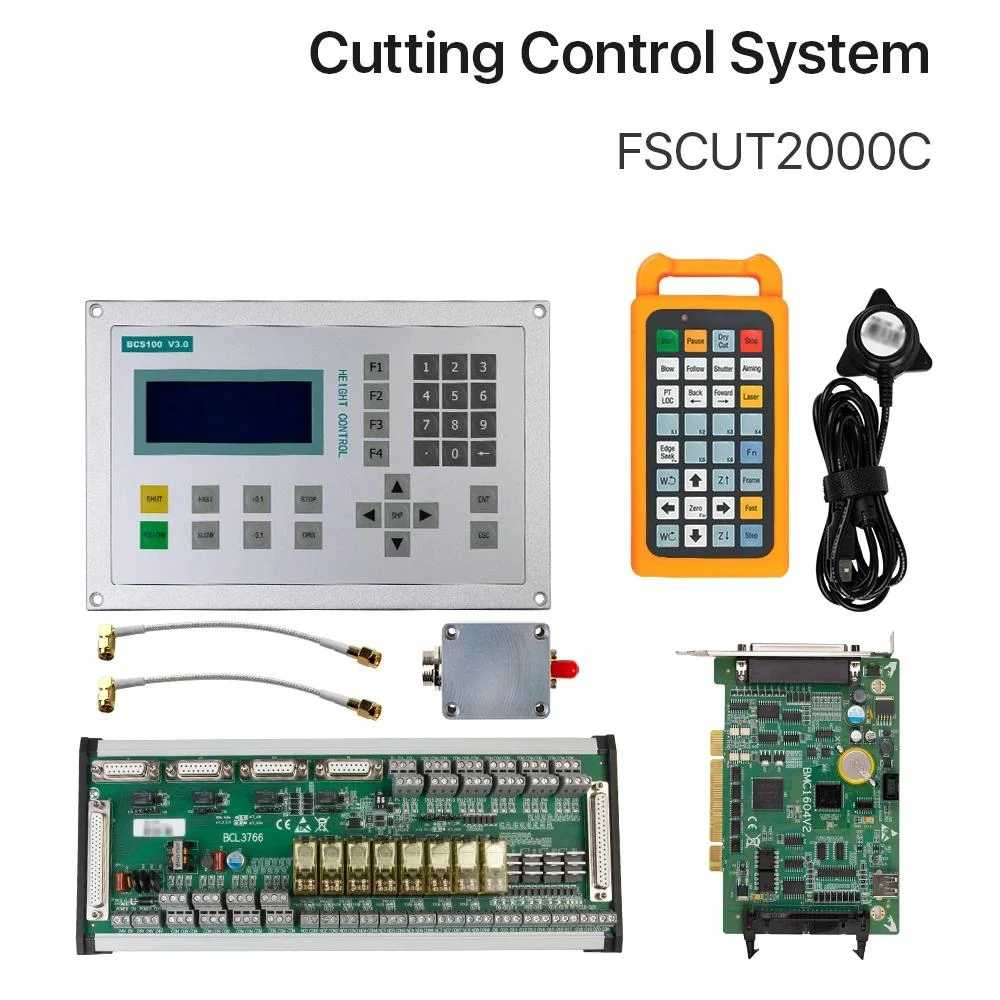
Match the software to sheet or tube work and the installed controller hardware. Ask for a demonstration of the drawing import, process settings, nesting, piercing and job changes you actually need. Do not assume Wi-Fi connectivity or MES integration is included.
| Name | Role to confirm |
|---|---|
| Raytools XC | Controller family; sheet or tube capability depends on model |
| CypCut | Sheet-cutting control software |
| FSCUT | Control-system family; match hardware model and software |
| TubePro | Tube-cutting control software |
| HypCut | High-power sheet-cutting control software |
| CypNest | Nesting and job-preparation software |
| PA8000 / Beckhoff CNC | CNC platforms; confirm integration on the offered machine |
5. Review the chiller and workshop facilities
The chiller removes heat from the laser source and cutting head according to the system design. If S&A, Hanli, Tongfei or another brand is quoted, request its model, cooling capacity, operating-environment limits and maintenance requirements in writing. Alongside the machine footprint, plan sheet access, loading aids, electricity, gas, a compressor where needed and fume extraction. Requirements for one model do not automatically apply to another.
6. Compare cost and support in Indonesia
Request a quotation separating the machine, delivery, installation, commissioning, training, consumables and warranty scope. Confirm the support provider, geographic coverage, spare-parts availability and response terms in writing. Include gas, electricity, consumables, maintenance, loading time and finishing in the cost per part. A commonly mentioned brand does not by itself establish local support or spare-parts stock.
Frequently asked questions before buying
How do I choose power? Start with material, routine thickness, quality and tested output. Which system is most common in Indonesia? The source provides no market-share data; choose based on compatibility and verifiable support. Why consider a Chinese machine? Compare each quotation’s configuration, price and support terms without assuming all suppliers are equivalent. For 3000W capability, use the related thickness guide and its test qualifications.
Technical references
This guide covers general selection considerations, not specifications or operating instructions for a particular SLT model.