
1. Define the finished part
Prepare the finished diameter, plate width, thickness, and required tolerance. Explain whether the work is cylindrical, partly curved, or conical. The desired shape guides discussion of the roll arrangement and machine configuration.
2. Check the material behind capacity figures
Catalogue capacities refer to particular material and diameter conditions. Different material strengths should not be assumed to share the same rolling capacity. Include the material grade when requesting a capacity review for your dimensions.
3. Separate rolling from pre-bending
Forming the main plate section and forming its ends are distinct requirements. Discuss acceptable straight ends and preparation before joining. Ask for rolling and pre-bending capacities to be stated separately for the quoted model.
4. Plan workpiece handling
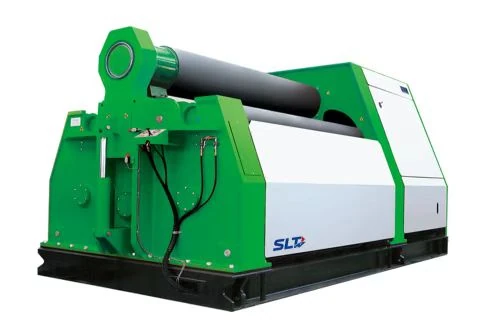
Large plates and rolled shells need a plan for support, loading, and removal. Share workshop dimensions and available handling equipment. Choose between three and four rolls around the required result and workflow, rather than roll count alone.
Technical references
This guide covers general selection considerations, not specifications or operating instructions for a particular SLT model.